



Destinations
July 24, 2025
Iceland vs Norway: I Chased the Northern Lights in Both Countries
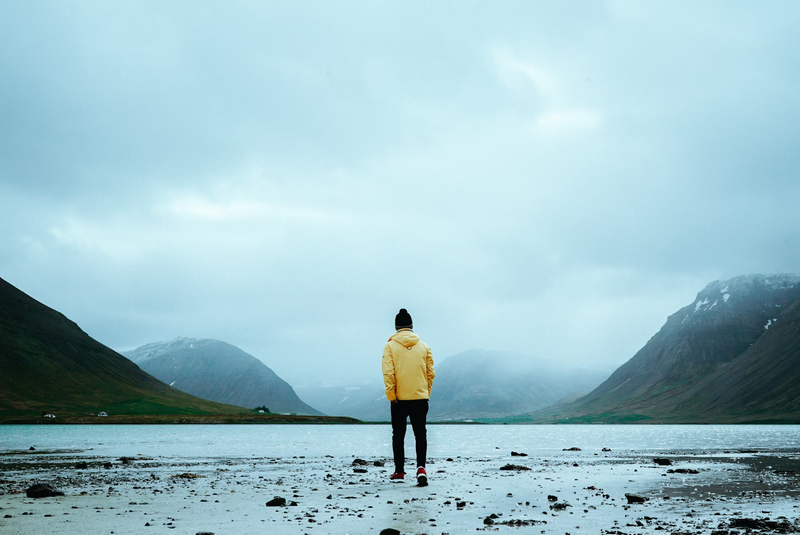
Two Arctic adventures, one impossible choice—until the numbers made everything clear
There’s something magical about the idea of seeing the Northern Lights that makes otherwise rational people book flights to the Arctic Circle in the middle of winter. I was one of those people, standing in a Reykjavik hotel lobby at midnight, staring at aurora forecast apps and wondering if I’d made a terrible mistake.
The Northern Lights were just the beginning. Both Iceland and Norway promise Arctic adventures that include dramatic landscapes, unique cultures, and that special kind of solitude you can only find near the top of the world. But they deliver these experiences in completely different ways.
After spending three weeks in Iceland followed by three weeks in Norway, both during prime Northern Lights season, I can tell you this: choosing between these destinations isn’t about which is better—it’s about understanding which type of Arctic adventure matches your travel personality.
Rather than rushing through highlights on organized tours, I based myself in different regions of each country to experience the full range of what they offer:
Iceland Route (3 weeks): Reykjavik (5 days) → South Coast/Vik (4 days) → East Fjords/Egilsstaðir (4 days) → North/Akureyri (4 days) → Westfjords/Ísafjörður (4 days)
Norway Route (3 weeks): Oslo (3 days) → Bergen (4 days) → Lofoten Islands (5 days) → Tromsø (5 days) → Alta/Finnmark (4 days)
Budget target: €150/day including accommodation, food, transportation, and activities—realistic for Arctic travel without going luxury or survival mode.
Iceland doesn’t just look different from everywhere else—it operates by different rules entirely. My first morning drive along the South Coast taught me that what looks like a 20-minute journey on Google Maps might take two hours when you’re stopping every five minutes because the landscape keeps changing in impossible ways.
Cost breakdown (3 weeks):
The geological education: Living in Iceland is like taking a crash course in how Earth was formed. Black sand beaches created by volcanic eruptions, icebergs calving into glacial lagoons, geysers erupting on schedule, and hot springs that exist because the ground is literally heated from below. Every day included at least one “how is this real?” moment.
Iceland’s Northern Lights experience is uniquely accessible. The entire country sits below the Arctic Circle, meaning aurora activity is visible anywhere with dark skies and clear weather.
My success rate: 11 Northern Lights sightings in 21 nights, ranging from faint green wisps to dancing curtains that lit up the entire sky.
What works: The small size means you can drive to clear skies when clouds roll in. I drove from cloudy Reykjavik to clear skies near Vik in 90 minutes and watched the aurora dance over black sand beaches.
What’s challenging: Weather changes constantly. I learned to check aurora forecasts, cloud cover, and wind patterns multiple times daily. Clear skies at 6 PM might be cloudy by 9 PM.
Iceland’s population is smaller than most cities, and you feel it. Outside Reykjavik, human interaction becomes precious and meaningful. Gas station conversations, guesthouse dinners, and chance encounters with other travelers take on special significance when you might not see another person for hours.
The solo travel reality: Iceland is incredibly safe but can feel isolating. The dramatic landscapes inspire contemplation, but three weeks of solitude in stunning wilderness affected my mood in ways I didn’t anticipate.
Community discoveries: Reykjavik’s coffee culture and thermal pool communities provide social connection that balances the wilderness solitude. The city’s cultural scene is sophisticated and welcoming in ways that surprised me.
Norway delivers Arctic experiences with a level of infrastructure and comfort that makes Iceland feel primitive by comparison. My first train journey from Oslo to Bergen taught me that you can experience dramatic landscapes without sacrificing civilization.
Cost breakdown (3 weeks):
The public transportation revelation: Norway’s train system connects major destinations through scenery that rivals any tourist attraction. The Bergen Line from Oslo crosses mountain plateaus that feel like another planet, but you’re traveling in heated comfort with a dining car and reliable WiFi.
The Lofoten Islands destroyed every assumption I had about Arctic landscapes. These aren’t barren, snow-covered rocks—they’re dramatic peaks rising directly from the sea, creating a landscape that feels like Patagonia relocated to the Arctic Circle.
The fishing village experience: Staying in traditional rorbuer (fishermen’s cabins) in villages like Nusfjord and Reine provided access to Norwegian coastal culture that tourism supplements rather than replaces. These are working fishing communities that happen to be incredibly beautiful.
Northern Lights advantage: Lofoten’s position above the Arctic Circle means aurora activity from September to March. My success rate was 13 sightings in 12 nights, including several that reflected off the sea and surrounding peaks.
What surprised me most: The food culture. Lofoten restaurants serve Arctic ingredients—fresh fish, reindeer, cloudberries—prepared with techniques that rival any European culinary capital. A dinner in Reine featuring local fish and foraged ingredients cost €65 but provided a cultural experience I’ll remember forever.
Tromsø bills itself as the Northern Lights capital, and after five nights there, I understand why. The city’s location, infrastructure, and tour options create the optimal combination of aurora viewing opportunities and comfort.
The tour advantage: Professional Northern Lights tours in Tromsø use weather forecasting, location scouting, and backup plans that dramatically increase success odds. My guide correctly predicted cloud movement and drove us to a fjord location where we watched the aurora dance for three hours.
The cultural bonus: Tromsø has a university, cultural institutions, and a local population that creates a real city atmosphere despite its Arctic location. The contrast between Northern Lights chasing and cosmopolitan city life felt uniquely Norwegian.
Iceland Results:
Norway Results:
Winner: Norway for success rate and convenience
Iceland’s otherworldly appeal:
Norway’s mountain majesty:
Winner: Tie—completely different types of beauty
Iceland Economics:
Norway Economics:
Winner: Norway for predictable budgeting, Iceland for potential savings with careful planning
Iceland’s intimate culture:
Norway’s accessible culture:
Winner: Iceland for uniqueness, Norway for accessibility
After six weeks in the Arctic, Norway surprised me by providing the more complete travel experience. While Iceland’s landscapes are more dramatic and unique, Norway’s combination of natural beauty, cultural sophistication, and travel infrastructure created memories that felt both adventurous and sustainable.
The defining moment: Standing on a mountain peak in Lofoten, watching the Northern Lights reflect off the sea while a traditional Norwegian dinner waited in a heated restaurant 20 minutes away. Iceland offers more extreme beauty, but Norway provides beauty with context and comfort.
For Northern Lights specifically: Norway’s higher success rates, professional tour options, and multiple viewing locations make it the better choice for travelers where aurora viewing is the primary goal.
For overall Arctic experience: Norway delivers more variety—you can dog sled in Finnmark, explore fjords in Lofoten, experience city culture in Tromsø, and still see incredible Northern Lights throughout.
Despite reputation, Norway provided better value through:
Iceland’s costs felt more unpredictable and often included expenses (car rental, gas, emergency accommodation) that weren’t anticipated.
The winner: October-November provides the best balance of aurora activity, manageable weather, and reasonable pricing in both countries.
Both Iceland and Norway will change how you think about winter travel and natural beauty. Iceland will challenge you with its otherworldly strangeness. Norway will inspire you with its sophisticated relationship between nature and culture.
Choose based on whether you want an adventure that transforms you through challenge (Iceland) or one that inspires you through the perfect balance of beauty and comfort (Norway).
Planning your own Arctic adventure? I’ve compiled Northern Lights success strategies, packing lists for sub-zero weather, and detailed route guides for both countries based on what actually worked during my six-week Arctic experiment.


I stayed in 60 different accommodations across Europe to settle the budget travel debate once and for all Every budget...
The systematic approach to business class that doesn’t require premium credit cards or elite status I used to think business...
The viral travel advice experiment that separated genius from disaster TikTok convinced me I was traveling all wrong. According to...
The year-long experiment that changed everything I thought I knew about expensive travel Three years ago, I was that traveler...