



Destinations
July 24, 2025
Tokyo vs Kyoto vs Osaka: I Lived in Each for 10 Days
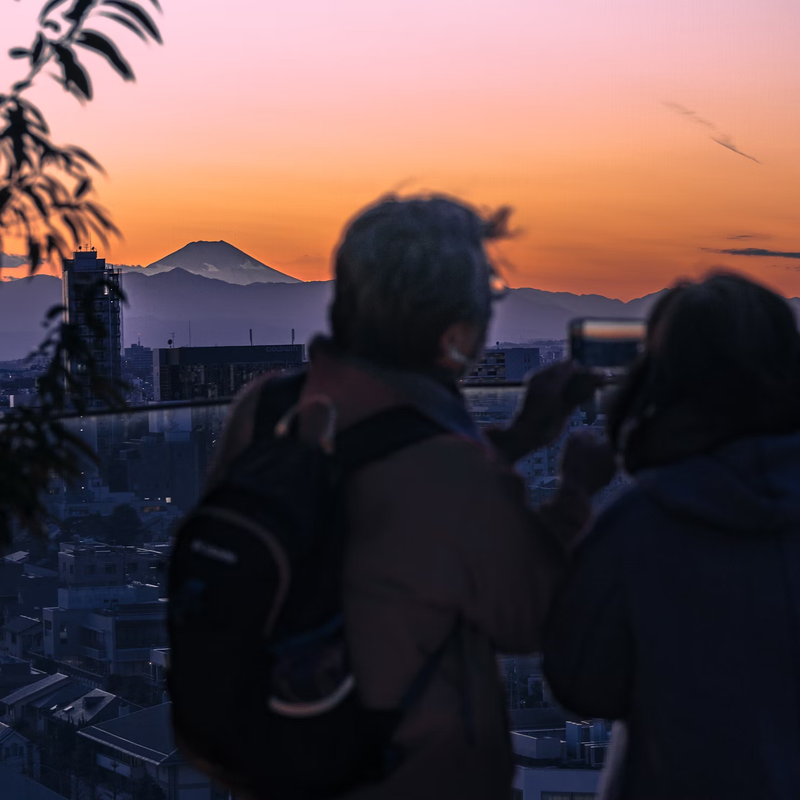
The Japan city showdown that changed my entire perspective on Japanese travel
Everyone planning their first Japan trip asks the same question: “Which city should I spend the most time in?” The standard advice is always some variation of “see all three,” but that’s not particularly helpful when you’re staring at a limited vacation schedule and trying to decide where to invest your precious time.
So I did what any obsessive travel planner would do: I spent exactly 10 days living in each city. Not visiting, not touring—actually living. Shopping for groceries, commuting during rush hour, finding my neighborhood coffee shop, dealing with laundry day. I wanted to understand these cities beyond their tourist highlights and answer the question that keeps Japan-bound travelers up at night: where should you actually base yourself?
What I discovered completely upended every assumption I had about Japanese cities. One exceeded every expectation, one surprised me in ways I never anticipated, and one left me questioning whether I understood Japan at all.
Rather than bouncing between hotels and tourist areas, I rented 10-day apartments in residential neighborhoods in each city. My criteria were simple:
Tokyo base: Shimokitazawa (trendy residential area) Kyoto base: Nishiki district (traditional merchant area)
Osaka base: Namba (central entertainment district)
Living in Tokyo doesn’t just challenge your preconceptions about Japanese cities—it rewires your brain about what urban life can be. My first week in Shimokitazawa taught me that Tokyo isn’t one massive city but hundreds of distinct neighborhoods, each with its own personality, rhythm, and community.
What nobody tells you: Tokyo mornings start at 6 AM with a precision that’s almost musical. The train station near my apartment went from dead quiet to organized chaos in exactly 23 minutes (I timed it), as salarymen and office workers began their daily migration. By 8 AM, the same platform was calm again, occupied by mothers with strollers and elderly residents heading to the market.
The neighborhood convenience store (konbini) became my social hub. The same staff worked the same shifts, and by day four, they’d learned my usual order: coffee, onigiri, and whatever seasonal item they were promoting. This micro-interaction happened thousands of times across the city—small moments of connection that made eight million people feel manageable.
Cost breakdown for 10 days:
Tokyo assaults every sense simultaneously, then somehow transforms that chaos into harmony. The sounds alone tell stories: train announcements, pachinko parlors, street vendors, and the mysterious electronic melodies that play constantly throughout the city.
The Shibuya revelation: On day seven, I realized I could navigate Shibuya Crossing—arguably the world’s most chaotic intersection—with my eyes closed. The sound patterns, pedestrian flow, and timing had become intuitive. When eight lanes of traffic transform into organized human rivers every 90 seconds, you start understanding Japanese concepts like wa (harmony) on a cellular level.
The food culture operates on multiple levels simultaneously. My neighborhood had three different ramen shops within two blocks, each specializing in completely different styles and serving distinct customer bases. The tonkotsu place attracted young salarymen after work. The shoyu shop served families on weekends. The tsukemen counter drew ramen obsessives at all hours.
What surprised me most: The quiet neighborhoods. Twenty minutes from Shibuya’s neon madness, I found residential streets where children played outside, elderly residents tended small gardens, and the loudest sound was wind through cherry blossom trees.
Living in Tokyo also revealed the city’s less Instagram-friendly realities. The social isolation is real, especially for foreigners. Despite the politeness and efficiency, forming genuine connections requires time and cultural understanding that most tourists never develop.
The language barrier impact: Simple tasks like opening a bank account, setting up internet, or getting a gym membership become multi-day projects requiring translation help. I spent an entire afternoon trying to buy a bicycle, defeated by paperwork that assumed native Japanese literacy.
The cost of living hits differently when you’re not in tourist areas. My neighborhood grocery store charged ¥800 for a small bag of apples that would cost $2 in the US. Daily convenience becomes a luxury when you’re converting every purchase.
Everyone expects Kyoto to be beautiful. What I didn’t expect was how intellectually stimulating it would become. Living in the Nishiki district put me in the heart of Kyoto’s merchant culture, where traditional crafts, modern businesses, and culinary innovation exist side by side.
Cost breakdown for 10 days:
The morning market education: My apartment was above Nishiki Market, and my daily coffee run became a cultural immersion course. Watching knife craftsmen, tea masters, and pickle vendors practice their trades with generational precision transformed my understanding of Japanese dedication to craft.
Kyoto operates on seasonal rhythms that Tokyo’s relentless pace obscures. Living there during late autumn meant experiencing mono no aware—the Japanese appreciation of impermanence—as something more than a philosophical concept.
The temple circuit reality: Yes, Kyoto has 2,000 temples and shrines. But living there taught me that temple appreciation isn’t about checking sites off a list—it’s about understanding how these spaces function in daily Japanese life. My neighborhood temple hosted morning prayer, afternoon children’s programs, and evening community meetings. It was a functioning spiritual and social center, not a tourist attraction.
What nobody mentions: Kyoto’s modern culture is incredibly sophisticated. The contemporary art scene, modern restaurant movement, and innovative traditional craft adaptations rival anything in Tokyo. The difference is scale and pace—Kyoto allows time for depth that Tokyo’s intensity doesn’t permit.
Living in Kyoto provided access to Japanese social structures that tourists rarely encounter. The neighborhood association (chokai) included me in community clean-up days and local festivals. These weren’t tourist experiences—they were community obligations that became windows into Japanese social cooperation.
The intergenerational learning: My landlord, a retired professor, introduced me to his calligraphy group, tea ceremony circle, and hiking club. These connections, formed over weeks rather than days, provided cultural insights that no guidebook could match.
Osaka’s reputation as Japan’s kitchen is well-earned, but living there revealed that the food culture is really about community and personality—qualities that contrast sharply with Tokyo’s efficiency and Kyoto’s formality.
Cost breakdown for 10 days:
The neighborhood takoyaki revelation: Within three days, I had a regular spot at a takoyaki stand where the owner, Tanaka-san, would start preparing my order when he saw me approaching. This wasn’t tourist hospitality—it was genuine neighborhood integration that happened naturally.
Osaka people are different. Not just “more friendly than Tokyo” different, but fundamentally more expressive and direct in ways that changed my interactions throughout Japan. Conversations that would be polite and brief in Tokyo became animated exchanges in Osaka.
The comedy culture influence: Osaka is Japan’s comedy capital, and that cultural emphasis on humor and personality permeates daily interactions. My local coffee shop barista practiced English comedy routines on me, shopkeepers made jokes about my pronunciation, and even formal business interactions included moments of levity that would be unthinkable in Tokyo.
What surprised me most: The entrepreneurial energy. Osaka feels like a city where people start businesses, take risks, and express individual personality within Japanese social frameworks. The food scene isn’t just about famous dishes—it’s about individual chefs and shop owners putting their personal spin on traditional concepts.
Osaka proved more culturally accessible than either Tokyo or Kyoto, but not in ways I expected. Rather than simplified culture for tourists, Osaka offered authentic Japanese culture that felt more approachable and inclusive.
The language learning acceleration: Osaka dialect (Osaka-ben) sounds friendlier and more animated than standard Japanese. Locals seemed more patient with my language attempts and more willing to engage in broken conversations that helped my comprehension improve rapidly.
Tokyo: Efficiency, variety, endless discovery
Kyoto: Culture, tradition, seasonal beauty
Osaka: Community, food, personality
Tokyo weekdays: Professional efficiency, incredible dining, cultural events Tokyo weekends: Shopping districts, park culture, neighborhood festivals
Kyoto weekdays: Traditional craft workshops, temple visits, quiet contemplation Kyoto weekends: Tourist crowds, cultural performances, seasonal celebrations
Osaka weekdays: Business energy, local food scene, community interactions Osaka weekends: Street food festivals, comedy shows, local entertainment
Easiest to meet locals: Osaka (natural conversation starters, welcoming culture) Best cultural learning: Kyoto (traditional arts, ceremony participation) Most international community: Tokyo (expat networks, international events)
After 30 days total living in Japan’s three major cities, here’s my honest assessment:
Choose Tokyo if:
Choose Kyoto if:
Choose Osaka if:
Osaka shocked me by feeling most like home. Not because it was familiar, but because it was the most welcoming. The combination of incredible food, affordable living, and genuine human warmth created an experience that Tokyo’s excitement and Kyoto’s beauty couldn’t match.
For first-time Japan visitors: Start with Tokyo for the full Japan experience, then choose between Kyoto (culture) and Osaka (community) based on your travel priorities.
For repeat visitors: Osaka offers the deepest well. You could spend months exploring its food culture, comedy scene, and neighborhood communities without exhausting the possibilities.
The real insight: Japan’s three major cities aren’t interchangeable destinations with different attractions—they’re fundamentally different ways of experiencing Japanese culture. Choose based on which aspect of Japan resonates most with your travel goals.
Living in each city taught me that Japan travel isn’t about seeing everything—it’s about understanding something. Each city offers a different lens for comprehending this complex, fascinating country.
Planning your own Japan city deep-dive? I’ve created neighborhood guides for each city based on where locals actually live and work, not just where tourists visit. Sometimes the best travel advice comes from learning to live somewhere, not just see it.


I stayed in 60 different accommodations across Europe to settle the budget travel debate once and for all Every budget...
The systematic approach to business class that doesn’t require premium credit cards or elite status I used to think business...
The viral travel advice experiment that separated genius from disaster TikTok convinced me I was traveling all wrong. According to...
The year-long experiment that changed everything I thought I knew about expensive travel Three years ago, I was that traveler...