



Budgeting
July 25, 2025
Hostel vs Budget Hotel vs Airbnb: The Real Cost Breakdown
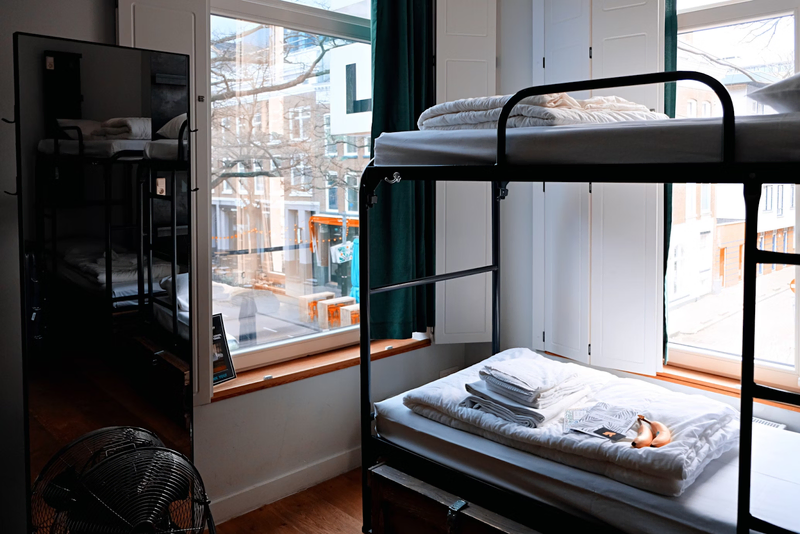
I stayed in 60 different accommodations across Europe to settle the budget travel debate once and for all
Every budget traveler faces the same fundamental question: hostel, budget hotel, or Airbnb? The internet is full of opinions, but most advice comes from people who tried each option once and decided based on a single experience. I wanted the definitive answer.
So I spent four months testing all three accommodation types across 20 European cities, staying in exactly 20 hostels, 20 budget hotels, and 20 Airbnbs. Same budget range (€25-45/night), same booking timeline, same standards for cleanliness and location. I tracked every euro spent, every hidden fee discovered, and every 3 AM noise complaint endured.
What I found completely changed my approach to budget accommodation—and revealed that the cheapest option often ends up being the most expensive when you factor in the costs that nobody talks about.
Budget range: €25-45 per night (the sweet spot for European budget travel) Cities tested: Amsterdam, Berlin, Prague, Budapest, Barcelona, Rome, Vienna, Krakow, Brussels, Copenhagen, Stockholm, Oslo, Zurich, Paris, London, Dublin, Edinburgh, Lisbon, Porto, Athens Stay duration: 3-4 nights each (long enough to experience daily rhythms, short enough to maintain objectivity) Booking timeline: 2-3 weeks in advance (typical traveler planning period)
Direct costs: Nightly rate plus all fees and taxes Hidden costs: Everything from city tax to kitchen usage fees Opportunity costs: Time spent on logistics, cleaning, or problem-solving Experience quality: Sleep quality, social interaction, local authenticity Value-added services: What’s included vs. what costs extra
Average nightly cost: €31.40 Hidden fees discovered: City tax (€2-7/night), locker rental (€2-5/night), towel rental (€3-8), breakfast (€5-12) Total average daily cost: €38.60
Best experience: Generator Hostel in Copenhagen – modern design, excellent common areas, professional management, actual soundproofing Worst experience: Unnamed hostel in Rome – broken air conditioning, no hot water for 2 days, bedbugs discovered on night 3
Hostels market themselves as the budget option, but the fees add up quickly:
Prague case study:
The social factor: When it works, hostel community is unmatched. I met travel companions in Budapest, found local restaurant recommendations in Berlin, and joined spontaneous day trips in Barcelona.
Location advantage: Hostels consistently occupied prime real estate – walking distance to major attractions and transportation hubs.
Flexibility: Most hostels accommodate late arrivals, early departures, and luggage storage without additional fees.
Sleep quality lottery: Shared rooms mean sleep depends on roommate behavior. I experienced:
Privacy absence: Changing clothes, organizing belongings, and having personal space became daily challenges. The mental energy required for constant social interaction was exhausting after 2-3 days.
Demographic mismatch: As someone over 25, I often felt out of place in hostels dominated by 18-22 year old gap year travelers with different energy levels and travel goals.
Average nightly cost: €42.30 Hidden fees: City tax (€2-7/night), WiFi charges (€5-15/stay at some locations) Total average daily cost: €45.80
Best experience: Hotel Beethoven in Vienna – family-run property with character, excellent breakfast, helpful staff, perfect location Worst experience: Budget chain in Paris – tiny room, paper-thin walls, aggressive up-selling for basic amenities
What you get for the premium:
Barcelona comparison:
Budget hotels provided the most predictable experience. While room sizes varied, basic standards remained consistent:
The Amsterdam revelation: Budget hotel included breakfast, WiFi, and late checkout at base price. Comparable hostel charged extra for all three services, making the hotel actually cheaper with better amenities.
Business traveler amenities: Desk space, reliable WiFi, and quiet environment for work Relationship travel: Privacy for couples without the awkwardness of hostel dorm rooms Rest and recovery: Guaranteed sleep quality after long travel days Local integration: Family-run budget hotels often provided better local insights than chain hostels
Average listed price: €38.20/night Average total cost after fees: €52.40/night Hidden costs: Cleaning fee (€35-85), service fee (14%), city tax (€2-7/night), check-in fees (€10-25)
The Brussels shock:
The break-even analysis: Airbnb becomes cost-competitive for stays of 7+ nights when cleaning fees amortize over longer periods.
Stockholm 10-day comparison:
For extended stays, Airbnb provides kitchen access and living space that can offset food costs, making it the most economical option despite higher base costs.
Best Airbnb experience: Local’s apartment in Prague with detailed neighborhood guide, kitchen access, authentic residential area, responsive host Worst Airbnb experience: Corporate-managed unit in Rome with automatic check-in, no host contact, broken appliances, and industrial apartment building
Success rate: 65% of Airbnb stays met or exceeded expectations, compared to 85% for budget hotels and 45% for hostels.
Time investment: Airbnb stays required significant additional logistics:
Prague logistics example: 45 minutes lost finding apartment entrance, 20 minutes coordinating key pickup with absent host, 30 minutes explaining broken WiFi through translation app. Total: 95 minutes of vacation time spent on accommodation logistics.
Hostel (dorm bed):
Budget Hotel (private room):
Airbnb (private apartment):
Time spent on accommodation issues:
The Vienna comparison: Budget hotel check-in took 3 minutes with immediate room access. Airbnb required 25-minute walk to key pickup location, 15-minute wait for host arrival, and 10-minute apartment orientation. Total time difference: 47 minutes that could have been spent exploring the city.
Safety considerations changed the rankings:
The London reality: Hostel in questionable neighborhood felt unsafe for evening returns. Budget hotel in same price range was located in well-lit, populated area with 24/7 front desk security.
Workspace requirements: Reliable WiFi, desk space, quiet environment
Community interaction opportunities:
Cost efficiency for 2+ week trips:
Budget hotel premium shrinks: Price difference between hostels and budget hotels decreases in expensive cities, making privacy more affordable.
Copenhagen example:
Hostel experience varies dramatically by location: Tourist-heavy areas had party-focused hostels with minimal sleep opportunities. Residential area hostels provided better rest but less social interaction.
Budget hotels offered better value: Family-run properties in these cities provided cultural insights and local recommendations that enhanced the travel experience beyond mere accommodation.
For maximum value: Mix accommodation types based on trip segment needs
The 60-accommodation insight: The best budget travel strategy isn’t choosing one accommodation type—it’s understanding when each option provides optimal value for your specific travel needs.
Your accommodation choice should serve your travel goals, not constrain them. Budget travel isn’t about accepting the cheapest option—it’s about choosing the option that provides the best value for your specific trip, timeline, and personal preferences.
Need help choosing accommodation for your specific trip? I’ve created a decision framework tool that considers your travel style, destination, and trip length to recommend the optimal budget accommodation strategy. Sometimes the best choice isn’t obvious until you run the numbers.


I stayed in 60 different accommodations across Europe to settle the budget travel debate once and for all Every budget...
The systematic approach to business class that doesn’t require premium credit cards or elite status I used to think business...
The viral travel advice experiment that separated genius from disaster TikTok convinced me I was traveling all wrong. According to...
The year-long experiment that changed everything I thought I knew about expensive travel Three years ago, I was that traveler...