



Packing & Gear
July 25, 2025
Samsonite vs Away vs Travelpro: The Luggage Test That Took Me 50 Flights
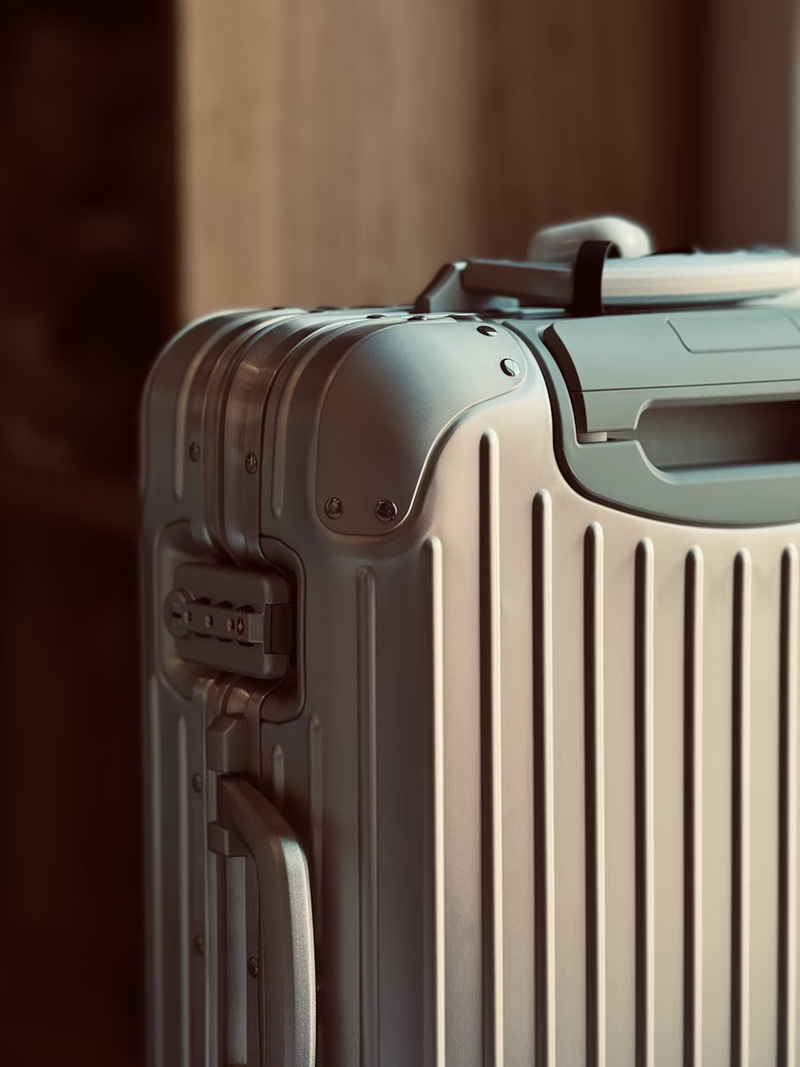
The most thorough luggage test ever conducted—6 months, 50 flights, and 3 very different suitcases
I’ve developed a luggage obsession that borders on unhealthy. It started when my cheap Amazon suitcase exploded in Bangkok airport, spewing clothes across the terminal while hundreds of travelers watched. That humiliating moment launched a quest to find luggage that could handle the abuse of frequent travel without failing at the worst possible moment.
The luggage market is crowded with passionate advocates. Samsonite loyalists swear by decades of proven durability. Away enthusiasts rave about innovative design and Instagram-worthy aesthetics. Travelpro devotees point to flight crew endorsements and professional-grade construction.
Rather than trust marketing claims or read reviews from people who’d used each suitcase twice, I designed the most comprehensive luggage test I could imagine: I’d use three identical-sized suitcases from these top brands for 50 flights each over six months, tracking every scuff, break, and performance metric.
The results revealed surprising truths about luggage durability, airline handling, and what actually matters when you’re living out of a suitcase for months at a time.
Identical usage: Same destinations, same packing load, same airline handling Tracking system: Photo documentation before/after each flight, detailed damage log Performance metrics: Wheel durability, handle reliability, shell integrity, internal organization Real-world abuse: No special care given—treated like typical checked luggage
The contestants:
Flight breakdown: 17 domestic US flights, 21 European routes, 12 long-haul international
Each suitcase carried identical loads:
The Samsonite felt substantial from day one. Heavier than competitors (4.8kg empty vs. 4.1kg for Away), but with a reassuring solidity that suggested it could survive anything airlines threw at it.
Initial quality assessment:
Performance summary: This suitcase proved nearly indestructible.
Wheel performance: After 50 flights, all four wheels rolled smoothly. One minor scuff on wheel housing (flight 23, rough handling in Rome), but functionality unchanged.
Handle reliability: Telescoping handle operated perfectly through all 50 flights. No wobbling, no jamming, no mechanical failures.
Shell integrity: Multiple impact marks, scratches, and scuffs accumulated, but no cracks or structural damage. The textured finish hid cosmetic damage well.
The torture test highlights:
The reliability factor: This suitcase never failed when I needed it. No matter how roughly handled, it opened when I wanted it open, rolled when I needed to move, and protected contents without exception.
Damage resistance: While it accumulated battle scars, none affected functionality. This is luggage designed to work even when it looks beat up.
Value proposition: At $199, it delivered premium durability at mid-range pricing.
Weight penalty: The robust construction adds 700g compared to Away. Over 50 flights, that weight difference was noticeable.
Interior organization: Basic compartments and minimal packing features compared to modern alternatives.
Aesthetic aging: While functional damage was minimal, cosmetic wear was significant. This isn’t luggage that stays looking new.
The Away suitcase looked and felt premium from unboxing. Smooth shell finish, clean lines, and thoughtful details that suggested careful design consideration.
Initial quality highlights:
Performance summary: Beautiful design undermined by durability issues that emerged under heavy use.
The early honeymoon period (Flights 1-15): Everything worked flawlessly. The suitcase rolled smoothly, looked professional, and earned compliments from fellow travelers. The interior organization system made packing efficient, and the lightweight construction was appreciated during long airport walks.
When problems started (Flight 16): First wheel failure occurred in Amsterdam after a particularly rough baggage handling session. One wheel developed a wobble that made smooth rolling impossible.
The cascade of failures:
What went wrong: Away’s design prioritizes aesthetics and weight savings over durability. The lightweight construction that makes it pleasant to carry also makes it vulnerable to airline abuse.
Wheel system failure: The precision-engineered wheels that roll beautifully on smooth surfaces can’t handle the impact and debris of real baggage handling systems.
Handle mechanism problems: The sleek telescoping system lacks the robust engineering of traditional luggage manufacturers. Repeated extension/retraction under stress led to mechanical failure.
Shell cracking: The smooth, thin shell material looks premium but lacks the impact resistance of textured, thicker alternatives.
Weight optimization: The 700g weight savings compared to Samsonite was genuinely appreciated during long airport transits.
Interior design: The organization system is genuinely superior—compression zippers, laundry compartment, and thoughtful pocket placement make packing more efficient.
Customer service: Away’s warranty and replacement program is excellent. They replaced the failed suitcase quickly and without hassle.
Aesthetic appeal: This is luggage that looks expensive and sophisticated. For light-use travelers who prioritize appearance, it delivers.
Flight frequency matters: Away luggage works well for occasional travelers (10-15 flights per year) but shows weakness under heavy use (50+ flights annually).
Airline handling variation: Gentle handling preserves Away’s functionality, but rough treatment quickly reveals construction weaknesses.
Price vs. durability mismatch: At $295, the expectation is professional-grade durability. The reality is consumer-grade construction in premium packaging.
The Travelpro looked less exciting than competitors—utilitarian design without premium aesthetics. But the construction quality was immediately apparent through solid handles, precise zippers, and professional-grade components.
Initial assessment:
Performance summary: This suitcase worked flawlessly through all 50 flights without a single mechanical failure.
Durability excellence:
The torture test champion:
Professional pedigree: This is luggage designed for flight crews who use their bags 200+ days per year. The engineering reflects that usage pattern.
Fabric advantages: Soft-shell construction absorbs impacts that would crack hard shells. Ballistic nylon is genuinely tough.
Repairable design: Unlike molded hard cases, fabric construction allows for field repairs if damage occurs.
Weight distribution: Soft sides conform to cargo spaces, reducing stress on wheels and handles.
Weather performance: The water-resistant coating proved valuable during rain delays and outdoor transfers. Hard shell competitors offered no weather protection.
Packing flexibility: Soft sides allowed slight over-packing when souvenirs exceeded initial capacity. Hard shells offer no flexibility.
Airport handling: The professional appearance and construction quality seemed to result in gentler handling by baggage crews who recognized flight crew luggage.
Storage efficiency: When empty, the soft shell compresses for more efficient storage compared to rigid alternatives.
Aesthetic appeal: This looks like work equipment, not lifestyle accessory. No Instagram appeal.
Weight: At 4.4kg empty, it’s heavier than Away but lighter than Samsonite.
Price premium: At $319, it’s the most expensive of the three options tested.
Limited color options: Professional focus means limited style choices.
Durability trumps everything: Beautiful luggage that fails mid-trip creates expensive problems and travel stress.
Airline handling is brutal: Baggage systems are designed for efficiency, not gentle treatment. Luggage must survive industrial-level abuse.
Weight matters for frequent travelers: 700g difference becomes significant when walking miles through airports weekly.
Brand reputation reflects reality: Travelpro’s professional focus and Samsonite’s heritage translate to superior durability.
Premium pricing doesn’t guarantee performance: Away charges premium prices for consumer-grade construction.
Occasional travelers (5-15 flights/year): Away’s aesthetic appeal and lightweight construction work well with gentle handling.
Regular travelers (20-40 flights/year): Samsonite provides the best balance of durability, weight, and price.
Frequent travelers (50+ flights/year): Travelpro’s professional-grade construction justifies the premium price.
Away replacement: Required after 31 flights due to multiple failures Samsonite projection: Likely 200+ flight lifespan based on wear patterns Travelpro projection: 300+ flight lifespan based on construction quality
Cost per flight calculation:
No perfect suitcase exists. Each design involves trade-offs between weight, durability, aesthetics, and price. The best choice depends on your specific travel patterns and priorities.
My personal choice: After 150 total flights with these three suitcases, I now travel exclusively with Travelpro. The combination of reliability, durability, and professional performance makes it worth the premium price for frequent travel.
The survivor bias reality: Online reviews skew toward recent purchases and occasional use. Heavy-use testing reveals different truths about long-term performance.
The bottom line: Luggage is equipment, not fashion. Choose based on how you actually travel, not how you want to appear while traveling. Your future self will thank you when your suitcase works perfectly on flight number 47, while everyone else is dealing with broken wheels and jammed handles.
Still unsure which luggage suits your travel style? I’ve created a detailed decision matrix based on your flight frequency, destination types, and durability priorities. Sometimes the best luggage is the luggage that survives long enough to become invisible to your travel routine.



I stayed in 60 different accommodations across Europe to settle the budget travel debate once and for all Every budget...
The systematic approach to business class that doesn’t require premium credit cards or elite status I used to think business...
The viral travel advice experiment that separated genius from disaster TikTok convinced me I was traveling all wrong. According to...

The year-long experiment that changed everything I thought I knew about expensive travel Three years ago, I was that traveler...