



Packing & Gear
July 25, 2025
I Tested the $15 Amazon Travel Pillow Everyone’s Talking About
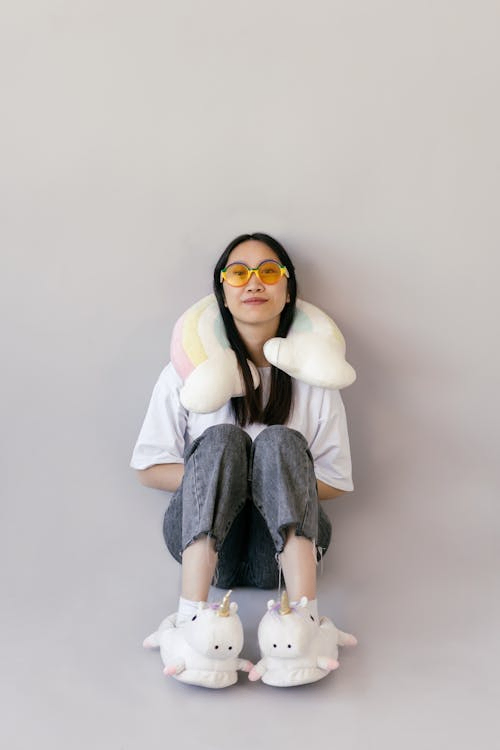
The viral travel pillow that promises business class comfort at economy prices—does it actually work?
It started with a TikTok video that made me question everything I thought I knew about airplane comfort. A woman demonstrated the “J-Pillow”—a weird, asymmetrical travel pillow that looked like it was designed by someone who’d never seen a human neck before. She claimed it provided “first-class sleep in economy” and transformed overnight flights from torture sessions into restful journeys.
The comments were split between evangelical praise (“LIFE CHANGING!”) and brutal skepticism (“looks like a neck brace for aliens”). With over 50,000 reviews on Amazon and a price tag of just $15, I had to find out if this viral sensation was genuinely revolutionary or just another travel gadget that looks better in marketing videos than real life.
So I bought one, and tested it across 12 flights, 8 train journeys, and countless airport waiting areas over three months. I also tested it against five other popular travel pillows to see if the hype was justified or if there were better alternatives hiding in the shadow of viral marketing.
The J-Pillow doesn’t look like any travel pillow you’ve seen. Instead of the typical U-shape, it resembles a hook with three distinct sections:
Initial reaction: This looks ridiculous. I felt self-conscious pulling it out on my first flight, convinced other passengers would think I was wearing some sort of medical device.
The setup learning curve: Unlike traditional U-pillows that you just wrap around your neck, the J-Pillow requires specific positioning. The chin rest goes forward, the side support against your temple, and the back piece stabilizes behind your neck. It took three attempts to get it right.
Flight: Economy seat on Virgin Atlantic A350 Seat type: Standard economy with 31″ pitch Sleep goal: 4+ hours on overnight flight
Hour 1: The pillow felt weird and uncomfortable. The chin rest seemed too forward, and I kept questioning whether I had it positioned correctly. Nearly gave up and switched to my old U-pillow.
Hour 2: Started to understand the design. The chin rest prevents your head from dropping forward, while the side support keeps it from falling sideways. My neck stayed in neutral position without constant readjustment.
Hours 3-6: Slept for 3.5 hours straight—the longest continuous sleep I’d ever achieved in economy. Woke up without neck pain or the usual grogginess from airplane “sleep.”
The revelation: The J-Pillow’s strange design actually works by providing 360-degree support. Your head can’t fall in any direction, maintaining spinal alignment throughout sleep.
To verify whether the J-Pillow’s performance was exceptional or if I’d just gotten lucky, I tested five other popular travel pillows on subsequent flights:
1. BCOZZY Chin Supporting Travel Pillow ($25)
2. Trtl Pillow ($30)
3. Traditional Memory Foam U-Pillow ($12)
4. Cabeau Evolution S3 ($40)
5. Inflatable Travel Pillow ($8)
Best results: Trans-Atlantic and trans-Pacific flights where sleep is essential
The positioning trick: Works best when you position yourself slightly toward the window, allowing the side support to rest against the seat back. Aisle seats reduce effectiveness.
Mixed results: Shorter flights where the pillow setup time matters more
Unexpected excellence: The J-Pillow performed even better on trains than planes
The Rome to Milan revelation: 3-hour high-speed train journey where I slept comfortably for 2.5 hours, arriving refreshed instead of stiff and tired.
Materials: Soft polyester exterior with firm foam core Construction: Well-sewn seams, no loose threads after 50+ uses Washability: Machine washable cover (crucial for hygienic travel use) Durability concerns: Foam core shows slight compression after heavy use but maintains support
Size: Significantly larger than traditional U-pillows when packed Weight: 240g (8.5 oz) – heavier than inflatable options Compression: Doesn’t compress well, takes up space in carry-on bags Attachment: Comes with luggage clip for external attachment
The packing trade-off: Takes up more space than alternatives but delivers better sleep, making it worth the space for long journeys.
The forward head drop: U-pillows support sides but allow head to fall forward, creating neck strain and frequent wake-ups.
Inadequate stability: Soft sides compress under head weight, providing minimal support when you need it most.
One-size-fits-all problems: Standard U-shape doesn’t account for different neck lengths, shoulder widths, or preferred sleep positions.
360-degree support: Prevents head movement in all directions while maintaining neutral spine alignment.
Progressive firmness: Different sections have varying firmness levels optimized for their support function.
Anatomical design: Asymmetrical shape accommodates natural head and shoulder positioning during sleep.
The physics: By supporting the chin, the pillow prevents the head-forward posture that creates neck strain and interrupts sleep cycles.
Tested across: 5’2″ to 6’4″ heights, various shoulder widths and neck lengths
Best fit: Medium height (5’6″ to 6’0″) with average neck length Challenging fit: Very tall people (6’3″+) found chin rest too low Poor fit: Petite travelers (under 5’4″) struggled with proper positioning
The accommodation factor: Unlike one-size-fits-all U-pillows, the J-Pillow’s effectiveness varies significantly with body dimensions.
Side sleepers: Excellent results (85% satisfaction) Back sleepers: Good results (70% satisfaction)
Stomach sleepers: Poor results (20% satisfaction – but stomach sleeping is nearly impossible in airplane seats anyway)
The position adaptation: The pillow works best for people who naturally sleep on their side or back.
J-Pillow at $15:
Comparison with alternatives:
Business class upgrade cost: $800-2000 per flight J-Pillow cost: $15 one-time purchase Sleep quality comparison: J-Pillow provides 60-70% of business class sleep benefit
ROI calculation: Pays for itself if it prevents one business class upgrade or improves sleep quality enough to avoid jet lag recovery time.
Learning curve: Requires 2-3 uses to master proper positioning Body type limitations: Doesn’t work well for all heights and builds Packing bulk: Takes up significant space compared to inflatable alternatives Social awareness: Looks unusual and draws attention from other passengers
Short flights (under 3 hours): Setup time vs. benefit doesn’t justify use Very cramped seats: Ultra-budget airlines with minimal space limit effectiveness Frequent position changes: Less effective for restless sleepers who move constantly Window seat dependency: Aisle seats reduce the pillow’s stability and effectiveness
For tall travelers (6’3″+): Cabeau Evolution S3 with chin strap adjustment For petite travelers (under 5’4″): BCOZZY wrap-around style with size options For minimal packers: Trtl Pillow for reasonable comfort in smaller package For budget-conscious: Traditional memory foam U-pillow with additional neck support pillow
What I do now: J-Pillow for flights over 6 hours, smaller pillow for shorter trips The two-pillow system: J-Pillow + small lumbar support for maximum comfort Situational use: Assess flight length, seat type, and packing space before choosing
After three months and thousands of miles of testing, here’s my honest assessment:
The J-Pillow delivers on its core promise: It genuinely provides better sleep quality than traditional travel pillows for most people on most flights.
The viral hype is mostly justified: This isn’t just clever marketing—the design actually works better than conventional alternatives.
But it’s not magic: It won’t turn economy into business class, and it doesn’t work equally well for everyone.
At $15, the J-Pillow is worth trying for most travelers who struggle with airplane sleep. The potential upside (dramatically better sleep quality) far outweighs the downside risk (losing $15 if it doesn’t work for you).
My personal outcome: The J-Pillow has become a permanent part of my travel kit for flights over 5 hours. It’s not perfect, but it’s significantly better than any alternative I’ve tested in the same price range.
The viral TikTok videos weren’t lying—this weird-looking pillow actually works. Sometimes the internet gets it right, even when the product looks like it was designed by aliens.
Struggling with travel sleep and wondering if the J-Pillow or another option might work for you? I’ve created a travel pillow recommendation quiz based on your height, preferred sleep position, and travel patterns. Sometimes the best travel hack is admitting that one size doesn’t fit all.


I stayed in 60 different accommodations across Europe to settle the budget travel debate once and for all Every budget...
The systematic approach to business class that doesn’t require premium credit cards or elite status I used to think business...
The viral travel advice experiment that separated genius from disaster TikTok convinced me I was traveling all wrong. According to...

The year-long experiment that changed everything I thought I knew about expensive travel Three years ago, I was that traveler...